
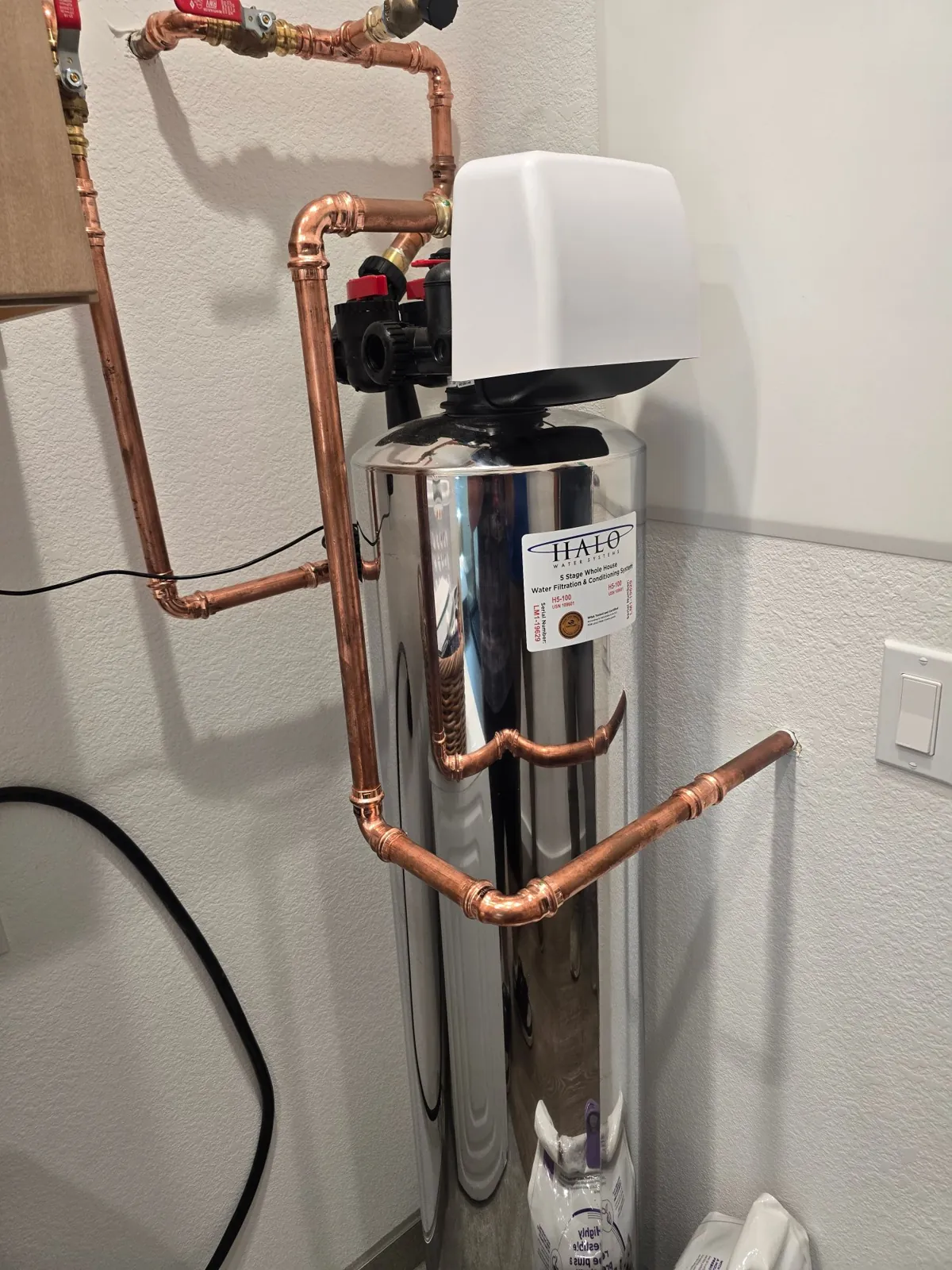
Pipe Repair & Replacement
Repair the leak — or replace the problem
When a pipe leaks once, a spot repair is usually all it needs. When the leaks keep coming, the water turns brown or the pressure keeps fading, the problem isn't one pipe — it's the piping itself reaching the end of its life.
We look at the whole picture before recommending anything: the pipe material, its age and condition, your water pressure and where the failures have been. Then we give you honest options, from a single repair to replacing a section or repiping the whole house.
Every repair and repipe is pressure tested before the water goes back on, and every job starts with a free estimate.
Pipe services at a glance
- Spot repairs for leaking or damaged pipe
- Partial and whole-house repiping
- Freeze-damage repair and mitigation
- Main water line repair and replacement
- Pressure tested, with a free estimate up front
Warning signs
Signs you need pipe repair or repiping
One of these on its own may just need a repair. Several together usually mean the pipes themselves are failing.
- 01
Leaks that keep coming back
A new leak every few months, often in different places, points to pipes corroding throughout the house.
- 02
Rusty or discolored water
Brown or yellow water, especially first thing in the morning, can mean old steel pipes are rusting from the inside.
- 03
Water pressure that keeps dropping
Corrosion and scale build up inside older pipes and narrow them until flow suffers at every fixture.
- 04
Visible corrosion or stains
Green or white crust on fittings, rust on exposed pipe, or water stains on ceilings and walls.
- 05
Banging or rattling pipes
Noisy pipes can mean loose supports or pressure problems that stress joints over time.
- 06
Older galvanized or polybutylene pipe
Both are known to fail with age. If your home still has them, replacement is usually a matter of when, not if.
Why pipes fail
Why pipes fail
Pipe failures usually come down to the material, the water running through it, and the conditions around it.
Corroding galvanized steel
Common in older homes, galvanized pipe rusts from the inside, restricting flow, discoloring water and eventually leaking.
Polybutylene pipe
Gray plastic supply pipe installed in many homes from the late 1970s to the mid-1990s, known for failing without warning.
Pinhole leaks in copper
Copper is durable, but water chemistry and age can cause small pinhole leaks, sometimes in several places.
High water pressure
Pressure that's too high strains every pipe and joint each time water is used.
Freezing and ground movement
Exposed pipes can freeze and split in a cold snap — more common in the foothills — and shifting soil stresses buried lines.
Our pipe services
Pipe repair and replacement options
We match the fix to the problem — no full repipe when a repair will do, and no endless patching when the pipes are done.
- 01
Spot repairs
A leaking, cracked or damaged section of pipe cut out and replaced with new pipe and fittings.
- 02
Partial repiping
Replacing the failing run — a bathroom, the kitchen or one branch of the system — without repiping the whole house.
- 03
Whole-house repiping
All supply lines replaced with new pipe, ending repeat leaks and restoring pressure and water quality.
- 04
Freeze-damage repair
Burst and split pipes repaired after a freeze, with exposed pipes protected so it doesn't happen again.
- 05
Main water line repair
Leaks and breaks on the line between the meter and the house repaired, or the line replaced.
- 06
Pipe rerouting
Lines rerouted around a slab or other hard-to-reach area when that's more practical than repairing in place.
Pricing
How much does pipe repair or repiping cost?
A single spot repair and a whole-house repipe sit at opposite ends of the range. The cost depends on how much pipe needs replacing, where it runs and what it takes to reach it.
We inspect the system, explain what we found and give you a free estimate for each option that makes sense — so you can weigh a repair today against replacement that ends the repeat leaks.
What affects the price
- A spot repair, partial repipe or whole-house repipe
- The size of the home and the number of fixtures
- Where the pipes run — walls, attic, crawl space or slab
- How much wall or ceiling has to be opened for access
- The pipe material chosen for the new lines
How it works
Our pipe repair and repiping process
A clear plan up front, careful work, and a pressure test before the water comes back on.
- 1
Call or book online
Tell us about the leak or the symptoms. Burst pipe? Shut off the main and call 24/7.
- 2
Inspect the system
We check the pipe material, condition, pressure and past failure points.
- 3
Free estimate and plan
You get your options, the price and the plan before work starts.
- 4
Repair or repipe
The damaged pipe is repaired or replaced with new lines, run neatly and supported properly.
- 5
Pressure test and restore
We pressure test every connection, restore water and check every fixture.
Service area
Pipe Repair & Replacement near you
Pipe Repair & Replacement for homes and businesses across the Sacramento region. Outside these cities? Call — depending on the job, we may still be able to help.
Questions & answers
Pipe Repair & Replacement FAQs
Should I repair my pipes or repipe the whole house?
If the pipes are in good condition and the leak is isolated, a spot repair makes sense. If you're seeing repeat leaks, rusty water or falling pressure — or your home has galvanized or polybutylene pipe — repiping is usually the better long-term value. We'll give you a free estimate for both when it's close.
How do I know if I have galvanized pipes?
Galvanized pipe is dull gray steel with threaded fittings, often visible near the water heater, under sinks or where the main line enters the house. A magnet will stick to it, unlike copper or plastic. Homes built several decades ago are the most likely to have it.
What is polybutylene pipe and should I replace it?
Polybutylene is a gray plastic supply pipe that was widely installed from the late 1970s to the mid-1990s. It's known to become brittle and fail without warning, so replacing it is generally recommended.
Will repiping improve my water pressure?
Often, yes. When old pipes are narrowed by corrosion and scale, replacing them restores the full inside diameter of the pipe, which usually brings back stronger flow at the fixtures.
How long does repiping take?
It depends on the size of the home, the number of fixtures and how the pipes are accessed. A partial repipe is much quicker than a whole house. We give you a timeline along with your free estimate.
How can I prevent frozen pipes?
Insulate pipes in unheated areas such as garages, crawl spaces and exterior walls, disconnect garden hoses before cold weather, and let a faucet drip on the coldest nights. If a pipe does freeze and split, shut off the main water valve and call us.