
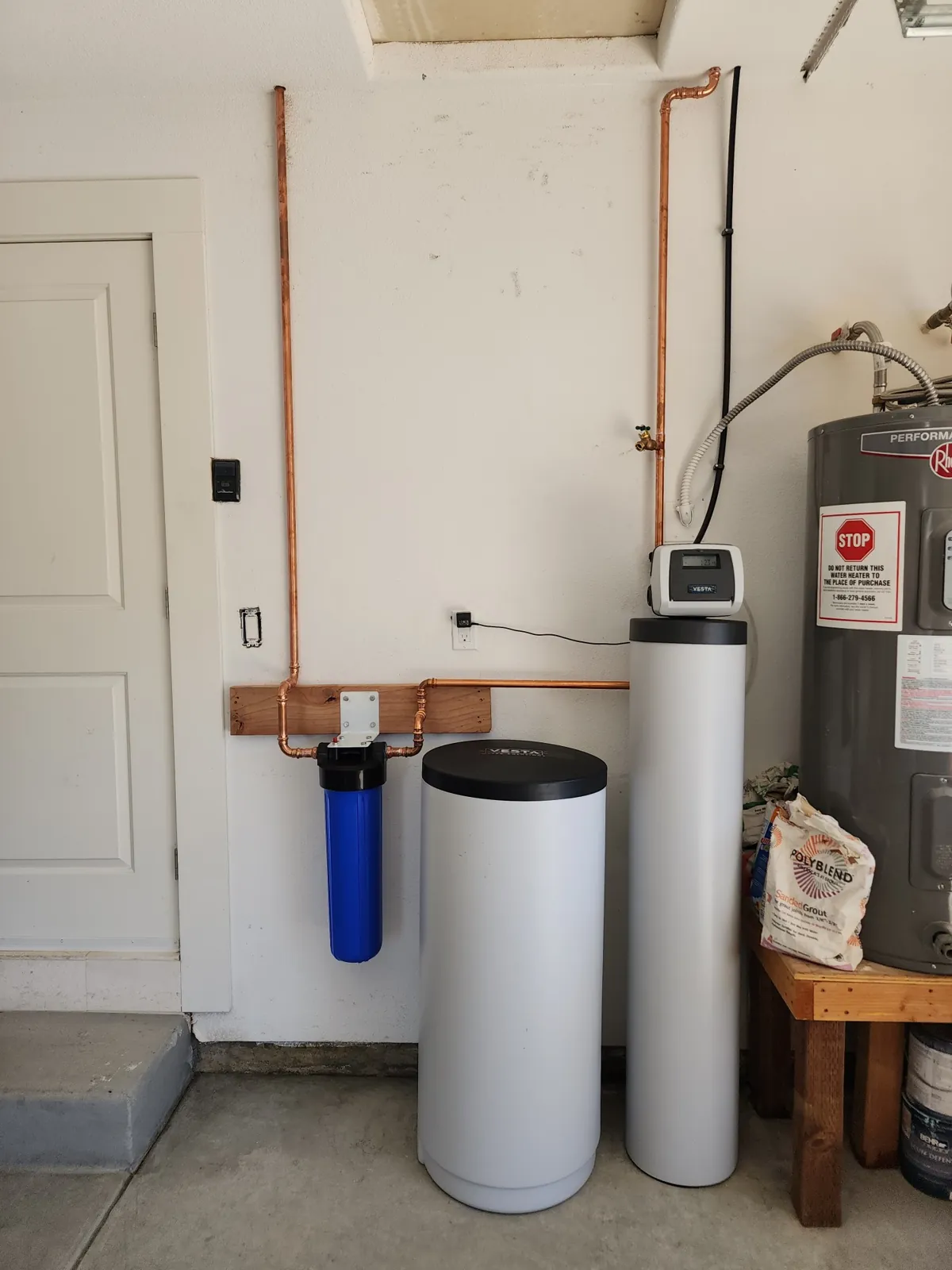
Water Heater Maintenance
A little maintenance, a lot more life
Every water heater collects sediment. Minerals in the water settle at the bottom of a tank or coat the inside of a tankless heat exchanger, and over time they make the heater louder, slower and more expensive to run — and shorten its life.
Regular maintenance clears that build-up and gives us a chance to check the parts that protect the heater and your home: the anode rod that keeps the tank from rusting, the temperature and pressure relief valve, the burner or heating elements, and every connection.
Maintenance is available as a one-time visit, and water heater flushes are included in our Silver, Gold and Diamond maintenance plans. Every visit starts with a free estimate.
Maintenance at a glance
- Tank water heater flushing
- Tankless water heater descaling
- Anode rod and relief valve checks
- Burner, element and connection inspection
- Included in Silver, Gold and Diamond plans
When it's due
Signs your water heater needs maintenance
If any of these apply, your heater is due for a flush or a service visit.
- 01
It hasn't been serviced in a year or more
Most manufacturers recommend flushing a tank heater about once a year.
- 02
Popping or rumbling sounds
Water trapped under a layer of sediment boiling as the heater runs.
- 03
Less hot water than it used to make
Sediment takes up space in the tank and insulates the water from the burner or element.
- 04
Cloudy or gritty hot water
Sediment stirred up from the bottom of the tank finding its way to the taps.
- 05
You have hard water
Hard water deposits sediment and scale much faster, so heaters need attention more often.
- 06
The relief valve drips or has never been tested
The temperature and pressure relief valve is a key safety device and should be checked regularly.
Why it matters
Why water heater maintenance matters
Maintenance costs a fraction of a repair or replacement, and it pays off in several ways.
Better efficiency
With sediment cleared, heat reaches the water directly instead of through a mineral layer, so the heater uses less energy.
A longer-lasting tank
The anode rod corrodes so the tank doesn't. Checking and replacing it in time is one of the best ways to extend a tank's life.
Safety
A working relief valve, a clean burner and sound venting on gas units keep the heater operating safely.
Tankless performance
Scale inside a tankless heat exchanger reduces flow and can trigger error codes. Descaling restores performance.
Problems caught early
A small leak, a corroding fitting or a worn part found during maintenance costs far less than an emergency later.
What's included
What our water heater maintenance includes
A thorough service for tank and tankless heaters, gas and electric.
- 01
Tank flush
The tank is drained and flushed to clear the sediment that collects at the bottom.
- 02
Tankless descaling
A descaling solution is circulated through the heat exchanger to dissolve mineral build-up.
- 03
Anode rod inspection
We check how much of the anode rod is left and recommend replacement before the tank is at risk.
- 04
Relief valve test
The temperature and pressure relief valve is tested to confirm it opens and seals properly.
- 05
Burner, element and venting check
Gas burners and venting, or electric elements and thermostats, inspected for safe, efficient operation.
- 06
Connection and strap check
Water and gas connections checked for leaks, and seismic straps checked for a secure fit.
Pricing
How much does water heater maintenance cost?
Routine maintenance costs far less than the repairs and early replacement it helps prevent. The price depends mainly on the type of heater and how much build-up there is to clear.
Water heater flushes are included in our Silver, Gold and Diamond maintenance plans, along with whole-house plumbing checks and priority scheduling. For a one-time visit, we'll give you a free estimate before we start.
What affects the price
- Tank or tankless, gas or electric
- How long since the last flush or descaling
- Whether the anode rod or a valve needs replacing
- A one-time visit or a maintenance plan
- The number of water heaters on the property
How it works
Our water heater maintenance visit
Thorough, tidy and finished with a clear report on your heater's condition.
- 1
Schedule a visit
Book a one-time service or set it up as part of a maintenance plan.
- 2
Inspect the heater
We check the heater's age, condition, connections and safety devices.
- 3
Flush or descale
Sediment flushed from the tank, or scale cleared from the tankless heat exchanger.
- 4
Test safety components
We test the relief valve and check the burner or elements and venting.
- 5
Report and recommend
You get a plain summary of the heater's condition and anything to watch.
Service area
Water Heater Maintenance near you
Water Heater Maintenance for homes and businesses across the Sacramento region. Outside these cities? Call — depending on the job, we may still be able to help.
Questions & answers
Water Heater Maintenance FAQs
How often should a water heater be flushed?
Most manufacturers recommend flushing a tank water heater about once a year, and more often where water is hard. Tankless water heaters should be descaled periodically on a similar schedule.
Can I flush my water heater myself?
Some homeowners do, but it involves very hot water, and older drain valves can stick or start leaking once they're opened. A professional flush also includes checks on the anode rod, relief valve and connections that are easy to overlook.
What is an anode rod and why does it matter?
The anode rod is a metal rod inside the tank that corrodes in place of the tank itself. Once it's used up, the tank starts to rust and eventually leaks. Checking it and replacing it in time can add years to a tank's life.
Do tankless water heaters need maintenance?
Yes. Scale builds up inside the heat exchanger, especially with hard water, reducing performance and triggering error codes. Periodic descaling keeps a tankless heater running efficiently.
Are water heater flushes included in your maintenance plans?
Yes. Our Silver, Gold and Diamond maintenance plans include water heater flushes along with whole-house plumbing checks and priority scheduling discounts. Higher tiers add more coverage and bigger savings.
Will maintenance make my water heater last longer?
Regular flushing and timely anode rod replacement are two of the most effective ways to extend a water heater's life, and maintenance visits catch small problems before they turn into failures.